The elmendorf tear method is a highly recognized approach in material testing used to determine the tear resistance of fabrics, papers, plastic films, and other flexible sheet materials. In industries where durability and performance are critical, understanding how a material behaves under sudden stress is essential. The elmendorf tear technique provides a reliable and standardized way to evaluate this behavior, making it an important part of textile engineering, packaging development, and quality assurance systems.
The demand for strong and durable materials continues to grow across global industries. From clothing and industrial textiles to packaging solutions, manufacturers depend on accurate testing methods to ensure product reliability. The elmendorf tear test has become one of the most trusted methods for measuring tear propagation strength under controlled laboratory conditions.
Is Elmendorf Tear Testing Essential for Evaluating Fabric and Material Strength?
The elmendorf tear method plays a crucial role in evaluating how a material resists the spread of an existing tear. Unlike tensile strength tests that measure stretching resistance, this method focuses on the force required to continue tearing a material once a cut or slit has already been made.
In textile production, fabrics are constantly exposed to mechanical forces during usage, washing, and handling. Even if a fabric has strong tensile properties, it may still fail if its tear resistance is weak. This is where elmendorf tear testing becomes essential. It helps manufacturers understand whether a fabric can withstand sudden stress without catastrophic failure.
The test is widely used for woven fabrics, nonwoven textiles, industrial textiles, paper products, and plastic sheets. It provides measurable data that helps engineers and quality control specialists compare different materials and select the most suitable ones for specific applications. The results from elmendorf tear testing are typically expressed in millinewtons or gram-force, depending on the standard followed.
International standards such as ASTM D1424 and ISO 1974 define the procedures for performing this test. These standards ensure consistency and accuracy across laboratories worldwide, allowing manufacturers to rely on comparable data for product development and certification purposes.
Does Elmendorf Tear Measurement Improve Product Durability in Industry Applications?
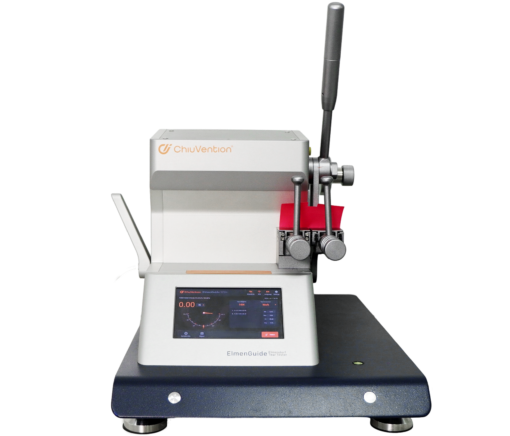
The elmendorf tear measurement method is widely recognized for its ability to improve product durability by identifying weak points in material structures. It uses a pendulum-based testing mechanism that provides precise and repeatable results, making it a valuable tool in both research and industrial environments.
The testing process involves preparing a rectangular sample of the material and introducing a small slit to initiate tearing. The sample is then placed in an Elmendorf tear tester, where a pendulum is released to propagate the tear. The energy loss during this process is measured and used to calculate the tear resistance of the material.
This method is particularly important in industries where material failure can lead to significant losses or safety concerns. In packaging, for example, a weak material may tear during transportation, resulting in damaged goods. Elmendorf tear data helps manufacturers design stronger packaging materials that can withstand handling stress.
In the textile industry, elmendorf tear results are used to evaluate clothing fabrics, upholstery materials, and technical textiles such as geotextiles. These materials often face extreme environmental and mechanical conditions, and their ability to resist tearing directly impacts their performance and lifespan.
The method is also valuable in paper and plastic industries, where tear resistance determines product usability and reliability. Whether it is wrapping paper, industrial sacks, or plastic films,elmendorf tear testing ensures that the final product meets required strength standards.
By providing accurate tear resistance data, this testing method supports continuous product improvement. Manufacturers can modify material composition, weaving techniques, or polymer structures to enhance performance based on test results. This leads to better quality control and improved customer satisfaction.
Elmendorf Tear Method in Quality Standards and Industrial Testing
The elmendorf tear method is an integral part of global quality assurance systems. It is commonly included alongside other mechanical tests such as tensile strength, bursting strength, and abrasion resistance tests. Together, these evaluations provide a complete understanding of a material’s performance under different types of stress.
The significance of elmendorf tear testing extends beyond laboratory analysis. It is widely used in industrial production environments where consistent material quality is essential. For example, textile manufacturers use this method during production batches to ensure that every roll of fabric meets predefined durability standards.
The reliability of the elmendorf tear method is one of its strongest advantages. The pendulum-based system minimizes human error and provides consistent results across repeated tests. This consistency is essential for industries that require strict compliance with international performance standards.
As materials become more advanced, especially with the introduction of synthetic fibers and engineered polymers, the need for precise tear resistance measurement continues to grow. The elmendorf tear method remains relevant because it effectively simulates real-world tearing conditions, helping engineers design materials that perform reliably in practical applications.
Conclusion Elmendorf Tear in Material Strength Evaluation
The elmendorf tear method remains one of the most important tools in modern material testing. Its ability to accurately measure tear resistance makes it essential for industries that depend on durable and high-performance materials. From textiles to packaging and industrial applications, this testing method ensures that products meet strict quality and safety standards.
By providing reliable and standardized results, elmendorf tear testing helps manufacturers improve material design, enhance product durability, and reduce the risk of failure in real-world use. As industrial demands continue to evolve, the importance of this method will only increase, reinforcing its role as a fundamental part of material science and quality assurance systems.